About
It started with one family's tree.
I am building Ukoo Yangu myself, alongside a full-time job, in whatever time is left over.
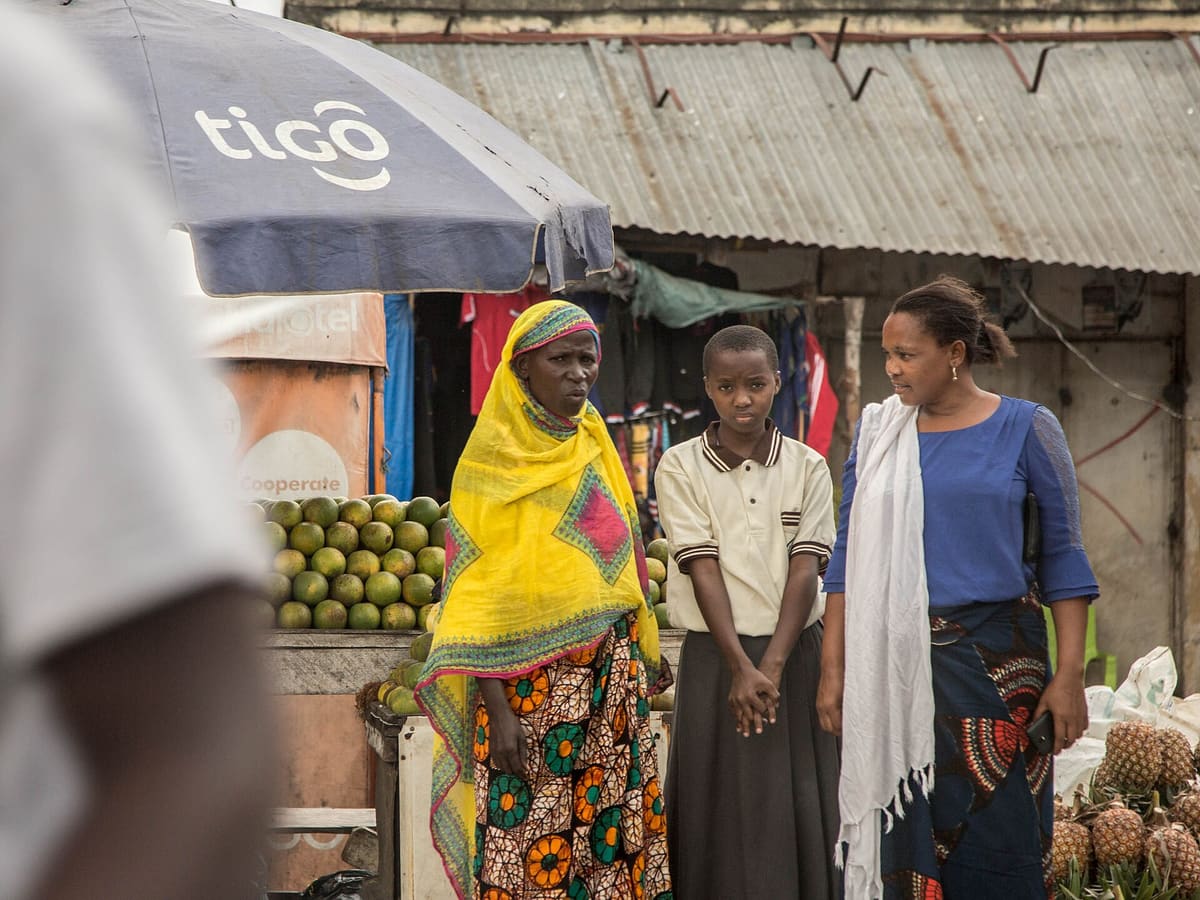
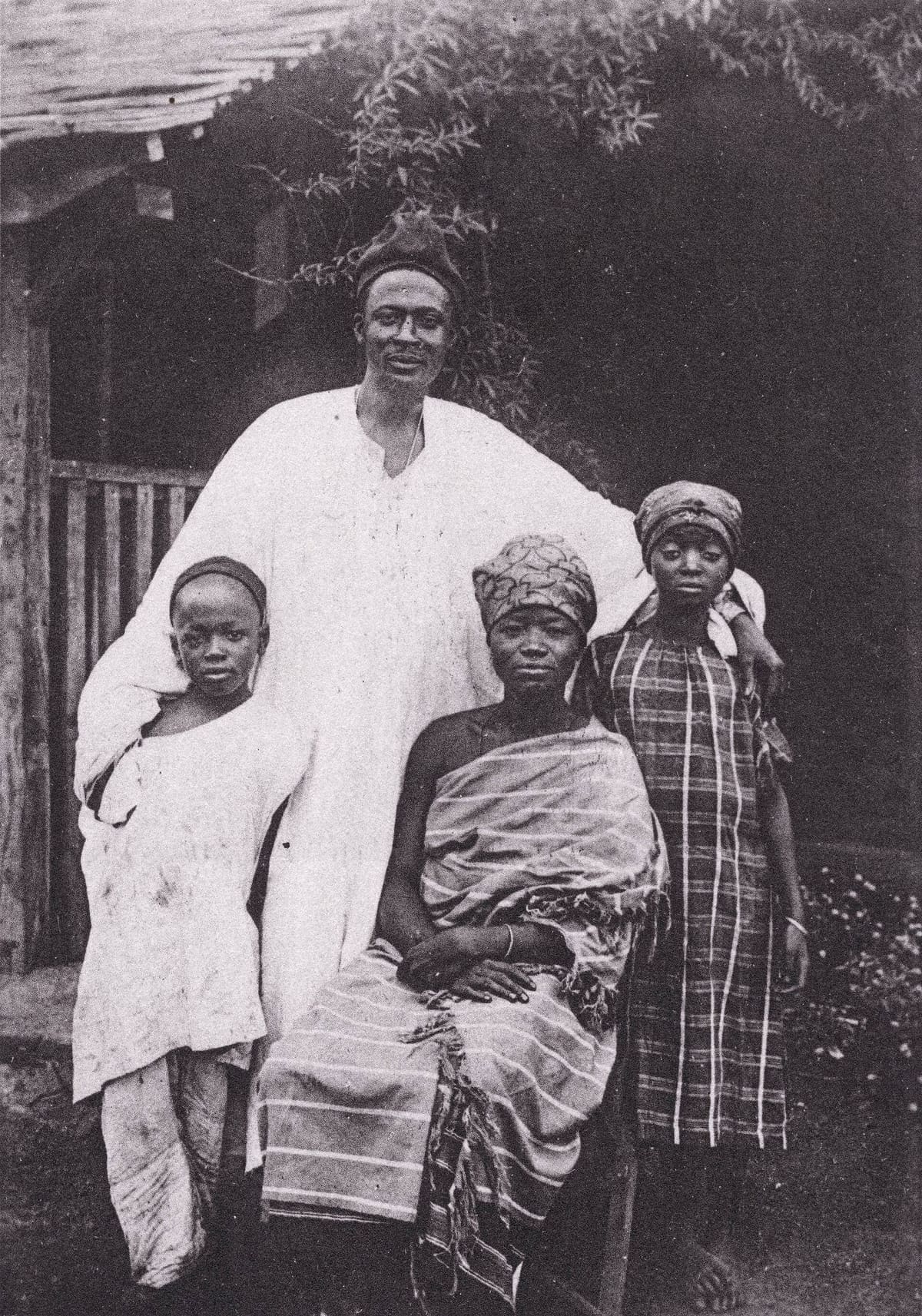
Every photograph on these pages was taken in the last ten years, by photographers across Africa who put their names to them. That is a decision rather than a coincidence. A service for families keeping a record of themselves now, illustrated entirely with people photographed a century ago, would be saying something it does not mean about where those families live in time. One archival print is kept further down, because there the subject really is the archive.
It started from a simple wish: somewhere to keep my own family's history, going back to my paternal great-grandparents, without handing all of it to a company that might use it to train an AI model, show it to advertisers, or make it searchable by strangers. Most family tree sites are built to grow a public database. I wanted the opposite. Something private by default, where every family decides for itself who sees what, and nobody else gets a vote.
The tree started with real names, not placeholders: my own family, from Mankon, in Cameroon's North West Region. That is on purpose. It is easy to build privacy rules that work perfectly on a made-up family with tidy dates and no complications. Real families are not tidy. Ours has people who belong to two families at once through marriage, a birth year that is really just a guess, three relatives who share the same name, a child who came into a marriage with his mother, and a household that does not fit neatly into a simple family tree diagram.
Testing the app against all of that, before anybody else's family data goes near it, is the only way to know the privacy rules actually hold up. It keeps turning up things that no amount of planning would have: the first week of real use produced a child with three parents, and a marriage recorded between somebody and their own mother, both because the app had offered one shape of answer where families have several. Neither would have appeared on a family invented to demonstrate the app.
Where the name comes from
Ukoo is the Swahili word for a clan, a lineage, the people you belong to rather than only the household you live in. Yangu means mine. Together they read as my clan, or my line.
Swahili is spoken by well over a hundred million people across East and Central Africa and is one of the working languages of the African Union. It is not the language of Mankon, where this tree started, and that is the point rather than an oversight. A service meant for any family should not be named in the language of the first one to use it.
The word was chosen because English has no single word for what this holds. Family means the people at your table. Relatives means anybody you can trace. Ukoo means the line itself, the thing that carries on past any one household, which is exactly what a tree going back five generations is a record of.
And then yangu. Mine. Every other decision in this service follows from that one word: your family's record belongs to your family, not to whoever is hosting it. A name that said only ukoo would describe a database of clans. Saying whose it is, in the name, is the whole argument.
What happens next
Any family can start their own tree, invite their own relatives, and keep it exactly as private. Every family gets its own separate tree, and nothing about your family is visible to, or connected with, anybody else's. What is still being worked on is the unglamorous half: sending invitation codes automatically rather than handing you the link to send yourself, and letting the poster narrow to a few generations rather than drawing everybody.
I am building this in the open and sharing progress as it happens, including the parts that are not finished. The guide relatives read is published in full, rather than summarised, for the same reason.
Start your family tree.
Nothing is public, nobody is told your family is here, and you can take it all out again whenever you want.
Invited by a relative? Open the link they sent you, or sign in.